

The most effective way to enhance motivation is to combine if-then planning with a short pre-start ritual, then back it with habits that satisfy your need for autonomy, competence, and connection to others. Researchers call the planning method implementation intentions, often paired with mental contrasting in a technique known as MCII. Add consistent sleep and movement, and small adjustments tend to produce measurable gains in follow-through within days, not months.
TL;DR:
- Breaking tasks into micro-steps and using a pre-start ritual can significantly boost motivation within days.
- One to three specific if-then plans targeting key obstacles are most effective, especially when paired with mental contrasting.
- Satisfying needs for autonomy, competence, and relatedness through daily choices and environment design enhances long-term motivation.
- Consistent sleep and movement support emotional regulation and focus, making task initiation easier and more sustainable.
- Using tools that support timed work sessions, habit tracking, and quick feedback can help maintain motivation under pressure.
Table of Contents
- Prioritized tactics to increase motivation today
- The research behind the tactics: planning, needs, and the body
- Daily habits that quietly support motivation
- Turn your goals into if-then plans using MCII
- Shape your environment and build accountability
- Put autonomy, competence, and relatedness to work
- A one-page quick-start checklist
- Our take on making motivation practical
- How Optiostation supports the habits in this guide
- FAQ
- Sources
Prioritized tactics to increase motivation today
Start with the smallest possible action, not the whole task. Breaking a goal into a micro-step (open the document, lace up your shoes, write one sentence) removes the friction that kills momentum before it starts.
- Build a 30 to 60 second pre-start ritual: a fixed sequence, like clearing your desk and opening one tab, that signals “begin now” to your brain.
- Write one if-then plan per goal: “If it’s 7pm and I’m at my desk, I will open my reading notes.”
- Set task difficulty to the “just-right” zone: hard enough to need focus, easy enough to finish in one sitting.
- Watch for boredom or frustration and adjust the step size up or down immediately rather than pushing through.
- Attach a small, immediate reward, like a five-minute break or a short walk, right after finishing the step.
- Add light accountability: tell a friend your plan for the day or log it somewhere visible.
Pro Tip: Pick the one action you genuinely cannot say no to, like filling a glass with water or putting on headphones, and let that be the trigger that pulls you into the real task.
The research behind the tactics: planning, needs, and the body
The case for if-then planning is not anecdotal. A 2021 meta-analysis covering 21 studies and nearly 16,000 participants found that mental contrasting with implementation intentions produces a small-to-medium effect on goal attainment, with benefits showing up across thinking, feeling, and behavior.
Separately, Self-Determination Theory research ties three psychological needs to lasting motivation:
- Autonomy: feeling like the choice to act is yours, not imposed.
- Competence: feeling capable of making progress.
- Relatedness: feeling connected to the people around the work.
Research has found that need satisfaction relates positively to well-being and performance, which is why willpower alone rarely sustains effort for long. One caveat worth flagging: if-then plans work best when you already have some baseline commitment to the goal. People high in perfectionism may need plans tailored more carefully, since rigid if-then formats can backfire when the bar is set unrealistically.
Daily habits that quietly support motivation
Motivation is partly a physical state. The World Health Organization links regular physical activity and adequate sleep to better concentration, steadier emotional regulation, and sharper cognitive performance, all of which make starting and sustaining tasks easier.
- Treat sleep and movement as non-negotiable inputs, not rewards for a productive day.
- Build a short morning ritual: light movement, a glass of water, then your first planned task.
- Use Pomodoro-style blocks (25 minutes on, 5 off) with a longer break every two cycles to prevent burnout.
- Notice early fatigue signs and swap in a walk or stretch instead of pushing through on empty.
Pro Tip: Schedule your hardest task in the window after you are usually most alert, not whenever it happens to fit. A structured study schedule makes this easier to repeat daily.
Turn your goals into if-then plans using MCII
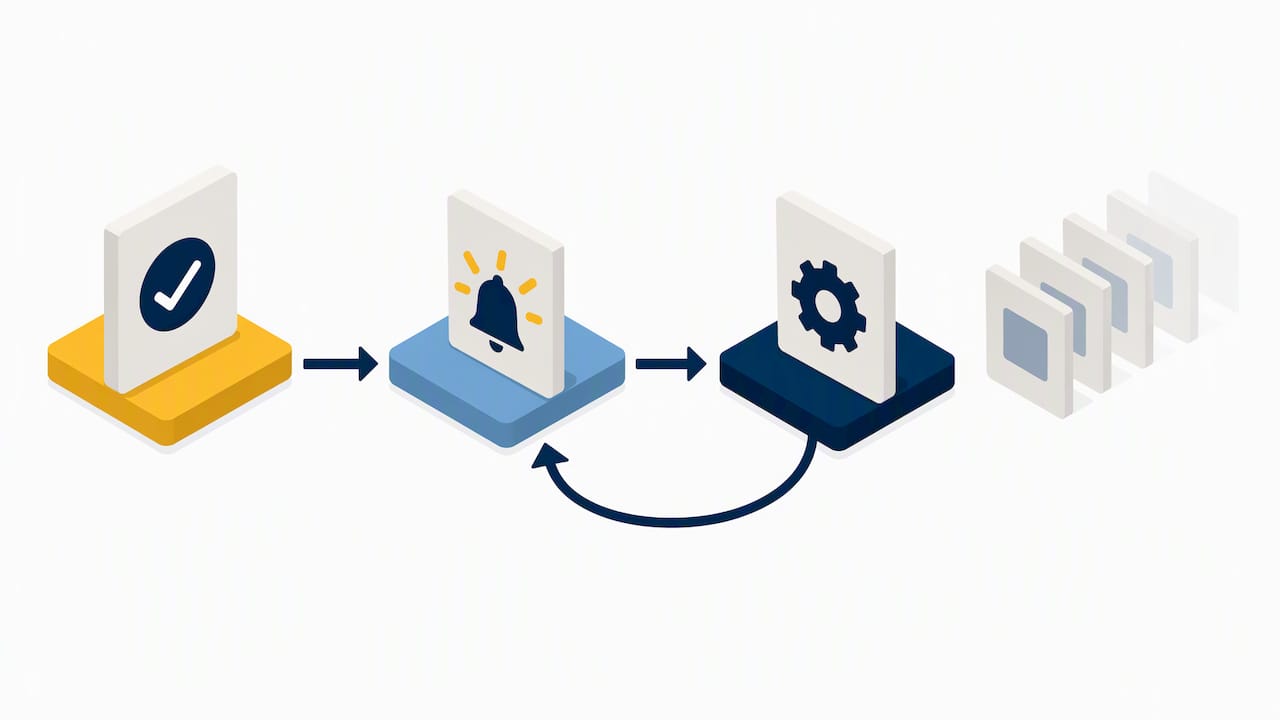
Mental contrasting gives structure to vague ambition. The workflow has three steps.
- Picture the desired outcome in specific, concrete terms, like finishing a draft by Friday.
- Identify the single biggest obstacle standing between you and that outcome, such as checking your phone when you sit down to write.
- Write one to three if-then plans tied directly to that obstacle: “If I pick up my phone before starting, I will put it in another room first.”
Sample plans across contexts: for study, “If my 7pm class block starts, I will close every tab except my notes.” For fitness, “If I finish dinner, I will change into workout clothes immediately.” For work, “If my first meeting ends, I will write my top three tasks before checking email.”
Rehearse each plan once, mentally walking through the cue and response. More repetition does not add much benefit, and recording too many plans can dilute them. Goal-setting frameworks built around if-then structures work poorly when the underlying goal is not something you actually want, so check your commitment before writing the plan.
Shape your environment and build accountability
Willpower fades, but a well-designed environment keeps working after motivation dips. Small, physical changes reduce the number of decisions you have to make before you start.
- Keep one space reserved only for focused work, free of unrelated clutter.
- Put visual cues where you cannot miss them: a sticky note, a visible calendar block, a charged device left outside the room during study time.
- Block common distractions at the browser or phone level before a session, not during one.
- Choose one accountability method: a daily check-in with a friend, a public pledge, or a shared tracker.
- Keep rewards small and indirect, like a short break or a point in a tracker, rather than large cash incentives that can crowd out genuine interest in the work.
Put autonomy, competence, and relatedness to work
Self-Determination Theory translates into daily choices, not just theory. Each need has a practical lever.
- For autonomy, give yourself a real choice between two acceptable ways to do the task, and connect the task to a reason you actually care about.
- For competence, break goals into subgoals you can measure in a day, and track small wins visibly.
- For relatedness, study or work alongside someone else, even virtually, and build a shared ritual like a weekly check-in.
Pro Tip: Pair every goal with one “why” sentence written in your own words. It takes ten seconds and makes the task feel chosen rather than assigned. Measurable subgoals make competence easier to track over a week.
A one-page quick-start checklist
Before any work session, run through a short checklist instead of waiting to feel ready.
- Name the smallest first action and do only that.
- State your if-then plan out loud or write it down.
- Set a timer for a focused block, 25 minutes is a reasonable default.
- Remove your phone or close distracting tabs before starting.
- Line up a small reward for when the timer ends.
Look for tools with built-in timers, habit tracking, calendar sync, and a field for jotting if-then plans next to each task. The right tool should support quick feedback and real choice in how you work, not just another list.
Our take on making motivation practical
Motivation research is full of good ideas that never survive contact with a Tuesday night deadline. We built the Prioritization Station around that gap: short checklists and visible progress markers for people who need systems that work under pressure, not frameworks that only work in theory.
— Optiostation
How Optiostation supports the habits in this guide
Reading about implementation intentions is one thing. Having a place to write them down next to your actual task list is another. Optiostation is built around that gap, with features designed to make the tactics above repeatable instead of theoretical.

- Task templates that let you break a goal into micro-steps before you start.
- Smart reminders that act as the cue in your if-then plan.
- Team checklists for shared accountability and relatedness.
- Calendar synchronization features to set fixed time slots for pre-task rituals.
If you want a closer look at how task tracking supports this kind of planning, our guide to task management software walks through the core features. Visit Optiostation to start with the Prioritization Station and build your first checklist today.
FAQ
What is the fastest way to boost motivation right now?
Pick a micro-step small enough that you cannot talk yourself out of it, then pair it with a fixed if-then plan like “when I sit down, I open the document.” This combination reduces the decision load that usually stalls action before it starts.
What is mental contrasting with implementation intentions (MCII)?
MCII is a technique that pairs imagining a desired outcome with identifying the obstacle in your way, then writing a specific if-then plan to handle it. A meta-analysis of 21 studies found it produces a small-to-medium improvement in goal attainment.
How does Self-Determination Theory explain low motivation?
Self-Determination Theory holds that motivation drops when autonomy, competence, or relatedness go unmet, meaning the task feels forced, too hard or too easy, or isolating. Research on need satisfaction links stronger support for these three needs to better well-being and performance.
Do sleep and exercise really affect motivation?
Yes. World Health Organization guidance links regular physical activity and adequate sleep to sharper concentration and steadier emotional regulation, both of which make it easier to start and stick with tasks.
How many if-then plans should I write for one goal?
One to three plans per goal is enough, each tied to a specific obstacle rather than a vague wish. Writing too many plans or revisiting them repeatedly tends to dilute their effect rather than strengthen it.
Sources
- Mental contrasting with implementation intentions meta-analysis (Frontiers in Psychology, 2021)
- 2024 meta-analysis on need satisfaction and performance (Self-Determination Theory archive)
- WHO: Physical activity—great for your body, great for your mind
