

Juggling tasks, projects, and deadlines is an everyday struggle for professionals and students alike. Studies show that using structured prioritization techniques can cut decision paralysis by over 40 percent. Most people think prioritization is just about making a simple to-do list, but there are advanced methods that completely reshape how you get things done and what you achieve.
Table of Contents
- What Are Prioritization Techniques And Why Use Them?
- The Importance Of Prioritization In Academic And Professional Life
- Key Concepts Of Prioritization Techniques: Categories And Frameworks
- Analyzing Real-World Applications Of Prioritization Techniques
- Overcoming Challenges In Prioritization: A Deeper Dive
Quick Summary
| Takeaway | Explanation |
|---|---|
| Effective prioritization enhances focus | Identify high-value tasks to concentrate efforts on activities with significant strategic impact. |
| Prioritization reduces decision paralysis | A structured approach provides clarity about what truly matters, easing stress and confusion. |
| Utilize qualitative and quantitative methods | Employ various techniques to rank tasks based on both subjective insights and objective data-driven analysis. |
| Strategic alignment is crucial | Ensure tasks support overall goals, maximizing resource availability and stakeholder commitment for initiatives. |
| Overcome barriers with communication | Foster transparent communication and collaboration to create effective prioritization frameworks and processes. |
What Are Prioritization Techniques and Why Use Them?
Prioritization techniques are strategic methods designed to help individuals and organizations systematically evaluate, rank, and allocate resources toward tasks, projects, and goals based on their relative importance and potential impact. These techniques transform overwhelming workloads into structured, manageable action plans by creating clear frameworks for decision making.
Understanding the Core Purpose
At their fundamental level, prioritization techniques solve a universal challenge: how to effectively manage limited time, energy, and resources when confronted with multiple competing demands. By providing structured approaches to assessment and ranking, these methods enable people to make intentional choices about where to focus their efforts.
The Analytic Hierarchy Process illustrates this concept perfectly. Developed by Thomas L. Saaty, this technique breaks complex decisions into hierarchical components, allowing decision makers to systematically evaluate options against specific criteria. This approach transforms subjective decision making into a more objective, measurable process.
Key Benefits of Prioritization Techniques
Effective prioritization techniques offer several critical advantages:
- Enhanced Focus: By clearly identifying high-value tasks, individuals can concentrate their energy on activities with maximum strategic impact
- Reduced Stress: Structured prioritization eliminates decision paralysis and provides clarity about what truly matters
- Improved Productivity: Systematically ranking tasks ensures that important work receives appropriate attention and resources
While numerous prioritization techniques exist, each method shares a common goal: transforming complexity into clarity. Whether managing personal goals or organizational projects, these techniques provide a roadmap for making informed, strategic decisions. Explore our guide on effective workflow management to discover how structured prioritization can revolutionize your approach to tasks and goals.
The Importance of Prioritization in Academic and Professional Life
Prioritization skills are transformative competencies that bridge academic success and professional excellence, enabling individuals to navigate complex environments with strategic precision. These skills go beyond simple time management, representing a sophisticated approach to decision making that determines how effectively one allocates mental and physical resources.
Academic Performance and Strategic Planning
In academic settings, prioritization becomes a critical determinant of student success. Students who master prioritization techniques can balance multiple assignments, research projects, extracurricular activities, and personal commitments without sacrificing quality or experiencing burnout.
 Research from the National Institutes of Health underscores that effective planning involves determining the necessary sequence of activities and efficiently allocating resources to achieve both short and long-term educational goals.
Professional Development and Productivity
Professional environments demand even more sophisticated prioritization capabilities. Successful professionals distinguish themselves not just by working hard, but by working strategically. Prioritization allows individuals to:
- Maximize Limited Resources: Intelligently allocate time and energy toward high-impact tasks
- Reduce Cognitive Overload: Create clear mental frameworks for managing complex project requirements
- Demonstrate Leadership: Show the ability to make critical decisions under pressure
Effective prioritization transforms potential chaos into structured progress. By understanding the relative importance of tasks and systematically addressing them, professionals can consistently deliver exceptional results. Learn how to optimize your workflow management and elevate your personal and professional performance through strategic prioritization techniques.
Key Concepts of Prioritization Techniques: Categories and Frameworks
Prioritization techniques represent structured methodologies for systematically evaluating, ranking, and allocating resources across multiple tasks, projects, and objectives. These sophisticated frameworks transform complex decision making into clear, actionable strategies that enable individuals and organizations to navigate overwhelming workloads with precision and strategic intent.
Classification of Prioritization Approaches
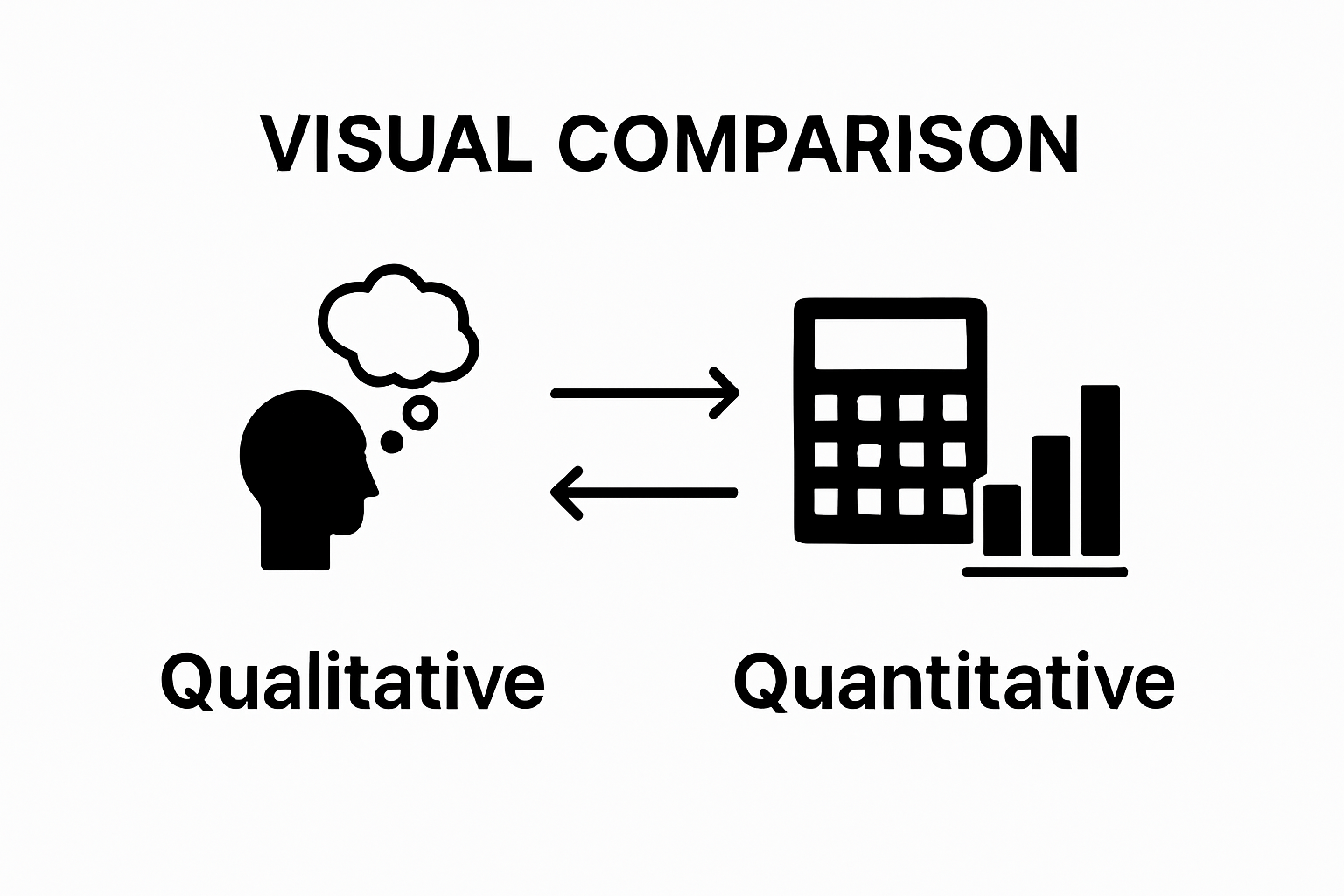
Prioritization techniques can be broadly categorized into qualitative and quantitative methods, each offering unique perspectives for strategic decision making. Qualitative techniques rely on subjective assessments and expert judgment, while quantitative approaches utilize mathematical models and data driven analysis to rank priorities.
Below is a table comparing qualitative and quantitative prioritization approaches, summarizing their main characteristics as described in the article.
| Approach Type | Core Characteristics | Example Techniques |
|---|---|---|
| Qualitative | Relies on subjective assessment and expert judgment | Consensus Methods, Criteria Based Ranking |
| Quantitative | Uses mathematical models and data-driven analysis | Multi Criteria Decision Analysis, Weighted Scoring Models |
Research from the Public Health Informatics Institute highlights several core prioritization frameworks that organizations frequently employ:
- Criteria Based Ranking: Systematically evaluating options against predefined performance metrics
- Consensus Methods: Gathering collective insights from stakeholders to determine priority
- Multi Criteria Decision Analysis: Combining multiple evaluation factors to generate comprehensive priority assessments
Strategic Frameworks for Effective Prioritization
Successful prioritization requires more than simply identifying important tasks. It demands a nuanced understanding of potential impact, resource requirements, and strategic alignment. Different frameworks offer specialized approaches to this challenge:
Weighted Scoring Models enable organizations to assign numerical values to various criteria, creating an objective mechanism for comparing and ranking potential initiatives. By quantifying subjective considerations, these models transform complex decisions into measurable, defensible strategies.
Discover advanced prioritization strategies that can dramatically enhance your personal and professional decision making processes. Understanding these frameworks empowers individuals to move beyond reactive task management toward proactive, strategic goal achievement.
Analyzing Real-World Applications of Prioritization Techniques
Prioritization techniques transcend theoretical concepts, finding powerful applications across diverse industries and organizational contexts. These strategic frameworks enable leaders and professionals to transform complex decision making into structured, actionable strategies that drive meaningful outcomes and optimize resource allocation.
Industrial and Organizational Implementation
Research from financial sector studies reveals critical criteria for strategic prioritization, highlighting how organizations systematically evaluate improvement projects. The most successful implementations consider multiple interconnected factors:
- Strategic Alignment: Ensuring initiatives directly support overarching organizational objectives
- Resource Availability: Matching project requirements with existing financial and human capital
- Stakeholder Commitment: Gauging organizational readiness and support for proposed initiatives
Practical Decision Making Scenarios
Real world applications demonstrate the versatility of prioritization techniques across different domains. Manufacturing sectors, for instance, utilize sophisticated multi criteria decision making frameworks to evaluate quality improvement processes. By integrating objective measurements with subjective insights, organizations can create nuanced priority assessment models that go beyond traditional linear ranking systems.
Professionals who master these techniques can effectively:
- Navigate complex organizational landscapes
- Make data driven decisions under uncertainty
- Optimize resource allocation across competing initiatives
Explore advanced workflow optimization strategies to understand how cutting edge prioritization techniques can transform your approach to strategic decision making. By adopting these sophisticated frameworks, individuals and organizations can systematically convert potential challenges into strategic opportunities.
Overcoming Challenges in Prioritization: A Deeper Dive
Prioritization techniques, while powerful, are not immune to implementation challenges. Professionals and organizations frequently encounter complex barriers that can undermine even the most sophisticated prioritization strategies. Understanding and proactively addressing these obstacles is crucial for transforming theoretical frameworks into practical, actionable approaches.
Common Barriers to Effective Prioritization
Research examining barriers to formal prioritization approaches reveals several critical challenges that organizations and individuals consistently encounter:
- Subjective Bias: Personal preferences and cognitive limitations can distort objective decision making
- Information Complexity: Overwhelming data volumes can paralyze effective prioritization efforts
- Stakeholder Misalignment: Divergent perspectives can create conflicts in priority assessment
Strategic Approaches to Navigating Prioritization Obstacles
Successful prioritization demands more than technical knowledge. It requires a holistic approach that integrates analytical rigor with collaborative strategies. Professionals must develop nuanced skills that go beyond traditional ranking methodologies.
Key strategies for overcoming prioritization challenges include:
- Cultivating transparent communication channels
- Developing robust, adaptable decision making frameworks
- Creating mechanisms for continuous feedback and adjustment
Interdisciplinary collaboration emerges as a critical solution, bridging gaps between different organizational perspectives and creating more comprehensive prioritization models. By integrating insights from various disciplines, professionals can develop more resilient and flexible approaches to complex decision making.
This table outlines key barriers to effective prioritization and related strategic solutions, making it easy to see how challenges can be addressed in practical scenarios.
| Barrier | Description | Strategic Solution |
|---|---|---|
| Subjective Bias | Personal preferences can distort objective decision making | Cultivate transparent communication channels |
| Information Complexity | Overwhelming data volumes hinder prioritization efforts | Develop adaptable decision making frameworks |
| Stakeholder Misalignment | Conflicting viewpoints create priority conflicts | Pursue interdisciplinary collaboration |
Discover advanced problem solving techniques that can help you navigate the intricate landscape of prioritization challenges. Mastering these strategies transforms potential obstacles into opportunities for strategic growth and organizational excellence.
Transform Uncertainty Into Clarity With Optio Station
Are you struggling to choose what matters most when everything feels urgent? The article highlighted how complex workloads and competing responsibilities can leave students and young professionals feeling overwhelmed and directionless. Making sense of prioritization frameworks like the Analytic Hierarchy Process and other methods is just the start. The real challenge is applying these concepts daily so you can focus, reduce stress, and consistently excel.
Explore actionable strategies in ProductivityThoughts to see how others have translated theory into everyday success.
Step into the role of Centurion with Optio Station. Our Roman-inspired task and time management app brings structure to your goals by transforming prioritization techniques into simple, powerful workflows. Do not let complexity slow you down. Take the first step toward sharper focus and real progress. Start optimizing your productivity now and experience what it means to be in command of your time.
Frequently Asked Questions
What are prioritization techniques?
Prioritization techniques are strategic methods used to systematically evaluate, rank, and allocate resources toward tasks, projects, and goals based on their importance and potential impact.
Why is prioritization important in academic settings?
Prioritization helps students manage multiple assignments and commitments effectively, enabling them to balance their workload without sacrificing quality or experiencing burnout.
How can prioritization techniques improve professional productivity?
By providing a structured approach to task management, prioritization techniques allow professionals to focus on high-impact tasks, reduce cognitive overload, and demonstrate leadership through decision making.
What are some common barriers to effective prioritization?
Common barriers include subjective bias, information complexity, and stakeholder misalignment, which can distort decision-making and hinder effective prioritization efforts.
