

Leading a group project can feel overwhelming when everyone comes from different backgrounds and time zones, especially for ambitious college students and recent graduates. Successful teamwork is more than just gathering talented people; it involves intentional planning, structured communication, and a willingness to challenge common teamwork myths. By understanding the difference between group work and true collaboration, you will learn how to harness your team’s strengths, avoid common mistakes, and adopt effective teamwork strategies to maximize productivity with mobile apps.
Table of Contents
- Defining Teamwork and Common Myths
- Types of Team Collaboration for Students
- Core Benefits of Effective Teamwork
- Critical Roles and Responsibilities in Teams
- Common Obstacles and How to Overcome Them
Key Takeaways
| Point | Details |
|---|---|
| Effective teamwork requires structure | Teams must focus on intentional coordination, clear roles, and mutual accountability to succeed. |
| Common myths undermine collaboration | Misconceptions about team dynamics can hinder performance; it’s crucial to recognize the necessity of strategic collaboration. |
| Communication is key to overcoming obstacles | Establishing transparency and clear protocols significantly enhances team cohesion and productivity. |
| Role clarity enhances team effectiveness | Clearly defined roles and responsibilities help prevent conflicts and enhance accountability within teams. |
Defining Teamwork and Common Myths
Teamwork represents a collaborative process where individuals unite their skills, efforts, and perspectives toward achieving shared objectives. Unlike simple group work, effective teamwork requires intentional coordination, mutual accountability, and a commitment to collective success. Comprehensive team collaboration research reveals that successful teams are not accidental but strategically designed environments.
Many professionals harbor misconceptions about teamwork that undermine collaborative potential. Common myths include believing that teams automatically function smoothly, that the most talented individuals create the best teams, or that teamwork happens naturally without structured support. In reality, high-performing teams demand deliberate communication strategies, clearly defined roles, and systematic mechanisms for trust-building and conflict resolution.
The most prevalent teamwork myths often stem from oversimplified assumptions about human interaction. Some individuals believe that simply assembling talented people guarantees success, but case studies in higher education demonstrate that functional collaboration requires more nuanced approaches. Critical elements like mutual respect, transparent communication, and shared accountability are far more important than individual brilliance.
Pro tip: Treat teamwork as a skill to be practiced and developed, not a natural talent that magically emerges without intentional effort.
Types of Team Collaboration for Students
Student team collaboration encompasses diverse approaches designed to enhance learning and skill development. Collaborative learning strategies reveal multiple engagement models that help students develop critical interpersonal and professional competencies. These collaboration types range from structured project-based interactions to more dynamic problem-solving environments, each offering unique opportunities for intellectual and social growth.
Three primary types of team collaboration dominate academic settings. First, synchronous collaboration involves real-time interaction, where students work together simultaneously through video conferences, live shared documents, or in-person meetings. Second, asynchronous collaboration allows team members to contribute independently across different time zones and schedules, utilizing tools like shared cloud platforms and discussion boards. Third, hybrid collaboration blends both synchronous and asynchronous approaches, providing flexibility and accommodating diverse learning preferences.
Here’s a summary showcasing how the three main types of student team collaboration differ:
| Collaboration Type | Typical Tools Used | Ideal Scenario |
|---|---|---|
| Synchronous | Video calls, live documents | Real-time brainstorming |
| Asynchronous | Cloud storage, discussion boards | Team members in different zones |
| Hybrid | Mix of synchronous tools | Flexible, multi-phase projects |
Problem-based learning (PBL) and team-based learning (TBL) represent sophisticated collaboration models that go beyond traditional group work. Research comparing learning strategies demonstrates that these approaches significantly enhance student engagement, critical thinking, and autonomous learning skills. PBL typically involves students collaboratively solving complex, real-world scenarios, while TBL focuses on structured team interactions with clear learning objectives and accountability mechanisms.
Pro tip: Choose team collaboration methods that align with your project goals, personal learning style, and team members’ strengths to maximize collective productivity.
Core Benefits of Effective Teamwork
Effective teamwork transforms individual capabilities into collective excellence, generating powerful outcomes that far exceed individual contributions. High-performing team research reveals multiple strategic advantages that emerge when professionals collaborate synergistically. These benefits extend beyond simple task completion, fundamentally reshaping organizational performance and individual professional development.
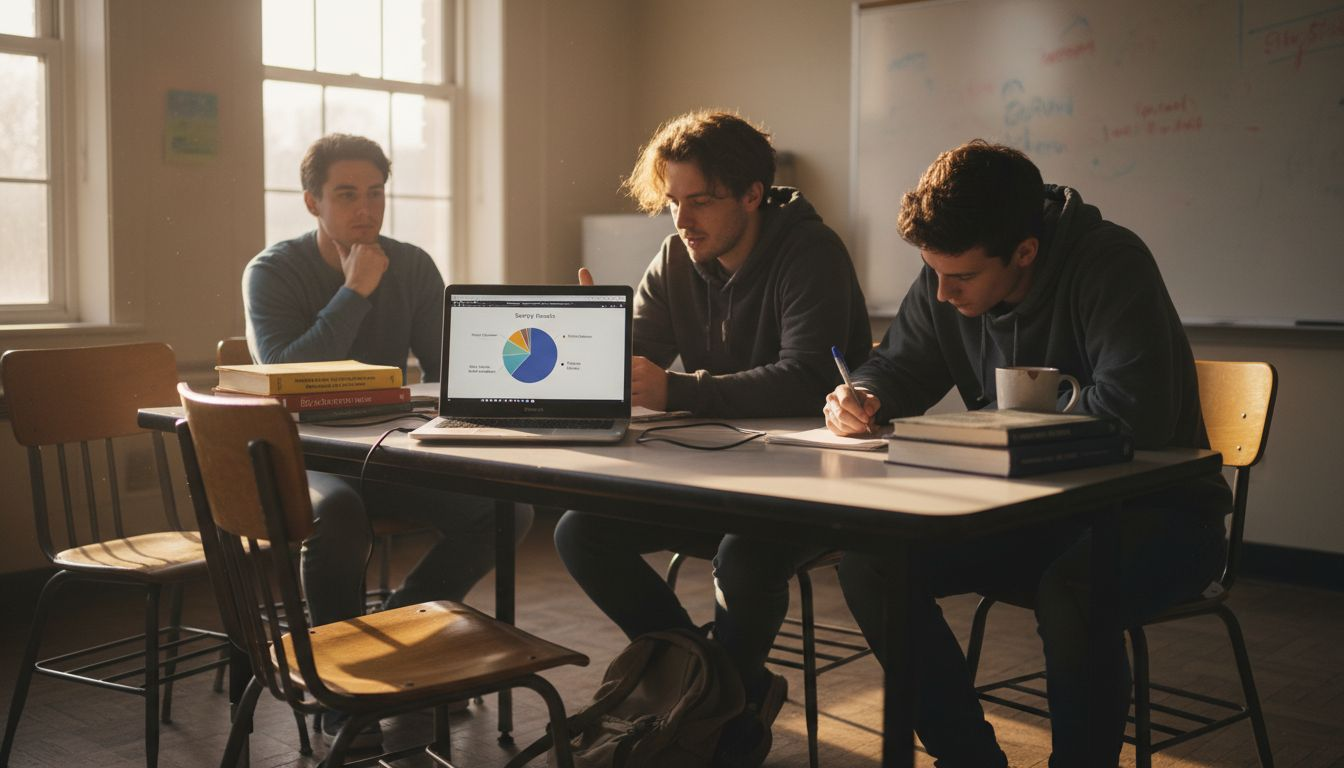
Teamwork’s core benefits encompass multiple dimensions of professional growth. Improved problem-solving emerges as a primary advantage, with diverse perspectives enabling more comprehensive analysis and innovative solutions. Communication skills dramatically improve as team members learn to articulate ideas clearly, listen actively, and negotiate constructively. Emotional intelligence also develops naturally through sustained collaborative interactions, helping individuals understand different working styles and interpersonal dynamics.
Emotional intelligence and leadership research demonstrates that effective teams generate significant organizational value through creative synergy and collective performance. Psychological safety becomes a critical outcome, where team members feel empowered to share ideas without fear of criticism. This environment fosters increased creativity, accelerates learning processes, and builds resilient professional networks that support individual and collective growth. Enhanced motivation emerges as team members experience shared accomplishments and mutual support.
Pro tip: Invest time in understanding your teammates’ strengths and communication preferences to unlock your team’s maximum collaborative potential.
Critical Roles and Responsibilities in Teams
Team roles represent the structural backbone of successful collaborative efforts, defining how individual contributions integrate into collective achievement. Team collaboration principles demonstrate that clear role definition is fundamental to effective teamwork, ensuring each member understands their specific responsibilities and potential impact on group outcomes.
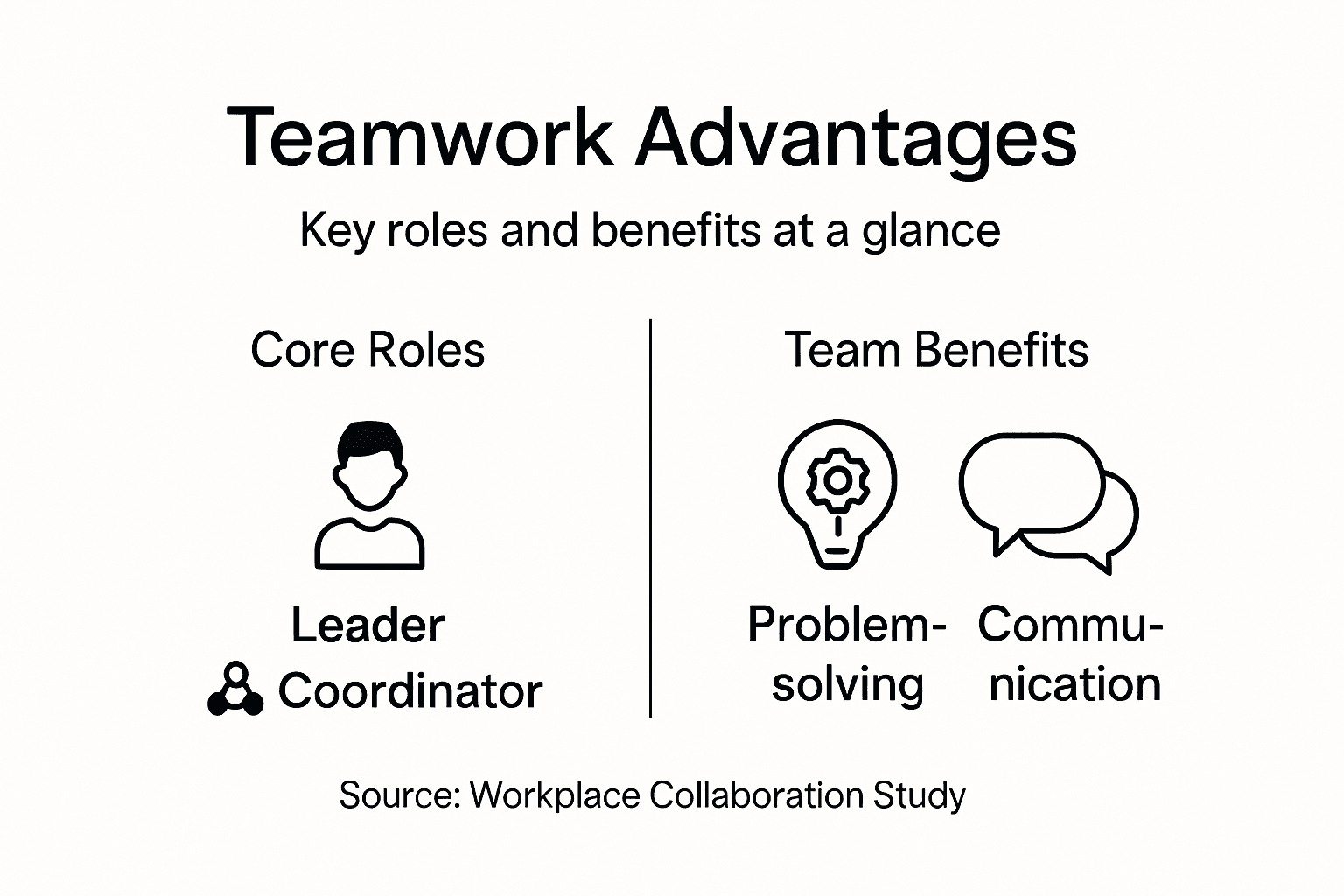
Typical team roles can be categorized into several critical archetypes. The project leader provides strategic direction and maintains overall team alignment. Subject matter experts contribute specialized knowledge and technical insights. Coordinators manage communication channels and ensure smooth workflow integration. Problem solvers address challenges creatively, while execution specialists transform strategic plans into tangible results. These roles are not rigid but fluid, allowing team members to adapt and support each other based on project requirements and individual strengths.
Research team responsibilities highlight the importance of establishing clear expectations and accountability mechanisms. Effective teams develop transparent role descriptions that outline not just tasks, but also expected contributions, decision-making authority, and performance metrics. This approach prevents role ambiguity, reduces potential conflicts, and creates a collaborative environment where each member feels valued and understands their unique contribution to collective success.
Pro tip: Conduct periodic role alignment discussions to ensure team members’ skills and responsibilities continue to match evolving project needs and individual growth trajectories.
Common Obstacles and How to Overcome Them
Team dynamics frequently encounter complex challenges that can derail collaborative efforts. Teamwork barriers research identifies nine critical obstacles that consistently undermine team performance, highlighting the need for proactive strategies and targeted interventions to maintain group effectiveness.
Communication breakdowns represent the most pervasive teamwork challenge. Misunderstandings arise from unclear expectations, inconsistent messaging, and diverse communication styles. Different personality types, work preferences, and communication approaches can create friction, leading to reduced productivity and increased interpersonal tension. Effective teams develop robust communication protocols that accommodate diverse communication preferences, establish clear feedback mechanisms, and create safe spaces for open dialogue.
Workplace teamwork challenges reveal that trust issues and role ambiguity significantly impede collaborative success. Personality conflicts, unclear goal definitions, and misaligned expectations can fragment team cohesion. Successful teams address these challenges by implementing transparent goal-setting processes, conducting regular role clarification sessions, and developing conflict resolution frameworks that prioritize mutual understanding and collective progress.
The following table outlines common teamwork obstacles and practical solutions:
| Obstacle | Impact on Teams | Recommended Solution |
|---|---|---|
| Communication breakdown | Increased conflict | Set clear protocols, regular check-ins |
| Role ambiguity | Decreased accountability | Regular role clarification sessions |
| Trust issues | Low motivation, poor output | Foster transparency and open dialogue |
| Personality conflicts | Team cohesion suffers | Use conflict resolution frameworks |
Pro tip: Schedule monthly team alignment meetings to proactively identify and address potential collaboration barriers before they escalate into significant performance challenges.
Unlock the Power of Teamwork with Optio Station
Teamwork can transform great individual efforts into extraordinary collective success but managing tasks and coordinating communication often becomes the biggest challenge. This article highlights critical obstacles such as communication breakdowns and role ambiguity that prevent teams from reaching peak performance. If you seek to overcome these common barriers and boost collaboration effectiveness Optio Station offers a task and team management app designed specifically for students and young professionals. By acting as your second-in-command the Optio app helps Centurions organize priorities assign clear roles and maintain smooth communication so your team always stays aligned.
Don’t let teamwork challenges stall your progress. Discover how Optio Station’s unique Roman-inspired approach turns project chaos into disciplined success through easy-to-use features and customizable collaboration tools. Take charge today by exploring our Uncategorized – Optio Station: Best Project Management App for Prioritization page and learn how to lead your team like a true Centurion. Visit https://optiostation.com now and start mastering teamwork in a way that guarantees collective achievement.
Frequently Asked Questions
What is effective teamwork?
Effective teamwork is a collaborative process where individuals intentionally coordinate their skills, efforts, and perspectives to achieve shared objectives. It requires mutual accountability, clear communication, and a commitment to collective success.
What are the main benefits of effective teamwork?
The core benefits of effective teamwork include improved problem-solving, enhanced communication skills, greater emotional intelligence, psychological safety, increased creativity, and enhanced motivation through shared accomplishments.
How can teams overcome communication breakdowns?
Teams can overcome communication breakdowns by setting clear communication protocols, establishing regular check-ins, and creating safe spaces for open dialogue that accommodate diverse communication styles.
What roles are essential for successful teamwork?
Typical essential roles in successful teamwork include project leaders, subject matter experts, coordinators, problem solvers, and execution specialists. Each role contributes uniquely to ensuring effective collaboration and achieving team goals.
Recommended
- Understanding Team Collaboration Guide – Optio Station: Best Project Management App for Prioritization
- Understanding Collaboration Workflow for Teams – Optio Station: Best Project Management App for Prioritization
- Team Collaboration Explained: Boosting Group Results – Optio Station: Best Project Management App for Prioritization
- How to Improve Teamwork for Success in College and Work – Optio Station: Best Project Management App for Prioritization
- Vad betyder medarbetarskap för arbetsplatsen?
