

Over 60 percent of American professionals report juggling multiple projects at once, creating stress and missed deadlines. An overloaded to-do list can quickly spiral out of control, draining productivity and motivation. Mastering project organization is not just for managers or executives anymore—it is a crucial skill for anyone who wants to achieve more in less time. This guide breaks down simple, actionable strategies to help you regain control of your workload and accomplish your goals with confidence.
Table of Contents
- Step 1: Assess Current Project Commitments
- Step 2: Group Tasks By Priority And Deadline
- Step 3: Allocate Time Blocks For Focused Work
- Step 4: Leverage Optio App For Project Tracking
- Step 5: Review Progress And Adjust Regularly
Quick Summary
| Key Point | Explanation |
|---|---|
| 1. Assess Current Commitments | List all active projects and their details to understand your workload better. This helps identify conflicts and capacity limits. |
| 2. Prioritize Tasks Strategically | Use the Eisenhower Matrix to categorize tasks by urgency and importance to focus on what truly matters. |
| 3. Allocate Focused Time Blocks | Schedule dedicated work periods during your peak productivity hours to enhance focus and efficiency. |
| 4. Utilize Optio App for Management | Leverage the Optio app to track project progress and maintain organization through task categorization and reminders. |
| 5. Regularly Review and Adjust Projects | Conduct consistent progress reviews to evaluate timelines, bottlenecks, and metrics for continuous improvement. |
Step 1: Assess Current Project Commitments
Organizing multiple projects effectively starts with a comprehensive understanding of your existing workload. The key is creating a systematic method to catalog and analyze all active projects, deadlines, and responsibilities. Project management strategies recommend developing a complete inventory of your current commitments before attempting to prioritize or schedule them.
Begin by listing every single project you are currently working on, regardless of size or complexity. Include academic assignments, work tasks, personal projects, and volunteer commitments. For each project, document critical details such as the project name, expected completion date, estimated time required, and current status. This comprehensive overview will help you visualize your total workload and identify potential conflicts or overcommitments. Rank each project by urgency and importance using a simple matrix that considers deadline proximity and potential consequences of delayed completion.
Warning: Be brutally honest with yourself during this assessment. Many professionals underestimate their existing commitments, leading to overextension and potential burnout. If you discover that your current project load exceeds your realistic capacity, it may be time to negotiate deadlines, delegate tasks, or consider removing less critical projects from your schedule. The goal is not just tracking projects but ensuring you can complete them effectively without sacrificing quality or personal well-being.
Step 2: Group Tasks by Priority and Deadline
After assessing your current project commitments, the next critical step is strategically organizing these tasks based on their priority and urgency. Time management techniques emphasize the importance of creating a systematic approach to task classification that allows you to focus your energy on the most critical work.
Utilize the Eisenhower Matrix method to evaluate and categorize your tasks into four distinct quadrants. This approach helps you distinguish between tasks that are truly important and those that are merely urgent. Divide your tasks into categories: urgent and important (do immediately), important but not urgent (schedule dedicated time), urgent but not important (delegate if possible), and neither urgent nor important (eliminate). Prioritization strategies suggest color coding or using a numerical ranking system to make this process more visual and intuitive.
Pro tip: Always build in buffer time when scheduling tasks. Unexpected challenges will inevitably arise, and having flexible margins prevents your entire workflow from collapsing when minor disruptions occur. Remember that effective task grouping is not about perfection but creating a realistic framework that helps you make consistent progress across all your projects.
Step 3: Allocate Time Blocks for Focused Work
Productivity strategies emphasize the critical importance of understanding your personal energy rhythms and strategically scheduling work accordingly. Start by conducting an honest self assessment of your most productive hours identifying when you experience peak mental clarity and concentration. Some individuals perform best in early morning hours while others find their groove later in the afternoon or evening.

Create dedicated time blocks that align with your natural productivity cycles. Each block should be between 60 to 90 minutes long to maximize focus while preventing mental fatigue. During these focused intervals eliminate all potential distractions including silencing notifications on your devices and selecting a quiet workspace. Assign specific projects or tasks to each time block ensuring you match complex assignments with your highest energy periods and reserve less demanding work for times when your concentration naturally wanes.
Warning: Rigidity can be counterproductive. While structured time blocking is powerful, remain flexible enough to adapt when unexpected challenges arise. Some days will not follow your perfect plan and that is acceptable. The goal is creating a framework that guides your work while allowing room for human variability and spontaneity.
Step 4: Leverage Optio App for Project Tracking
As a Centurion using the Optio app, your project management becomes streamlined and intuitive. Start by creating individual project profiles within the app, inputting key details such as project objectives, critical deadlines, and specific task requirements. Project management workflows become significantly more transparent when you systematically document each project’s parameters and expected outcomes.
Utilize the app’s tracking features to monitor progress across multiple projects simultaneously. Input individual tasks under each project, assign estimated completion times, and update status in real time. The app allows you to color code tasks by priority and set up automated reminders to ensure nothing falls through the cracks. This dynamic approach transforms project tracking from a mundane administrative task into an engaging strategic process that keeps you constantly informed about your overall productivity.
Warning: Consistency is key when using any project management tool. Commit to updating your Optio app regularly and resist the temptation to treat it as just another administrative burden. View it as your strategic partner in maintaining control over your professional and academic commitments. Your future self will thank you for the discipline and clarity you establish now.
Step 5: Review Progress and Adjust Regularly
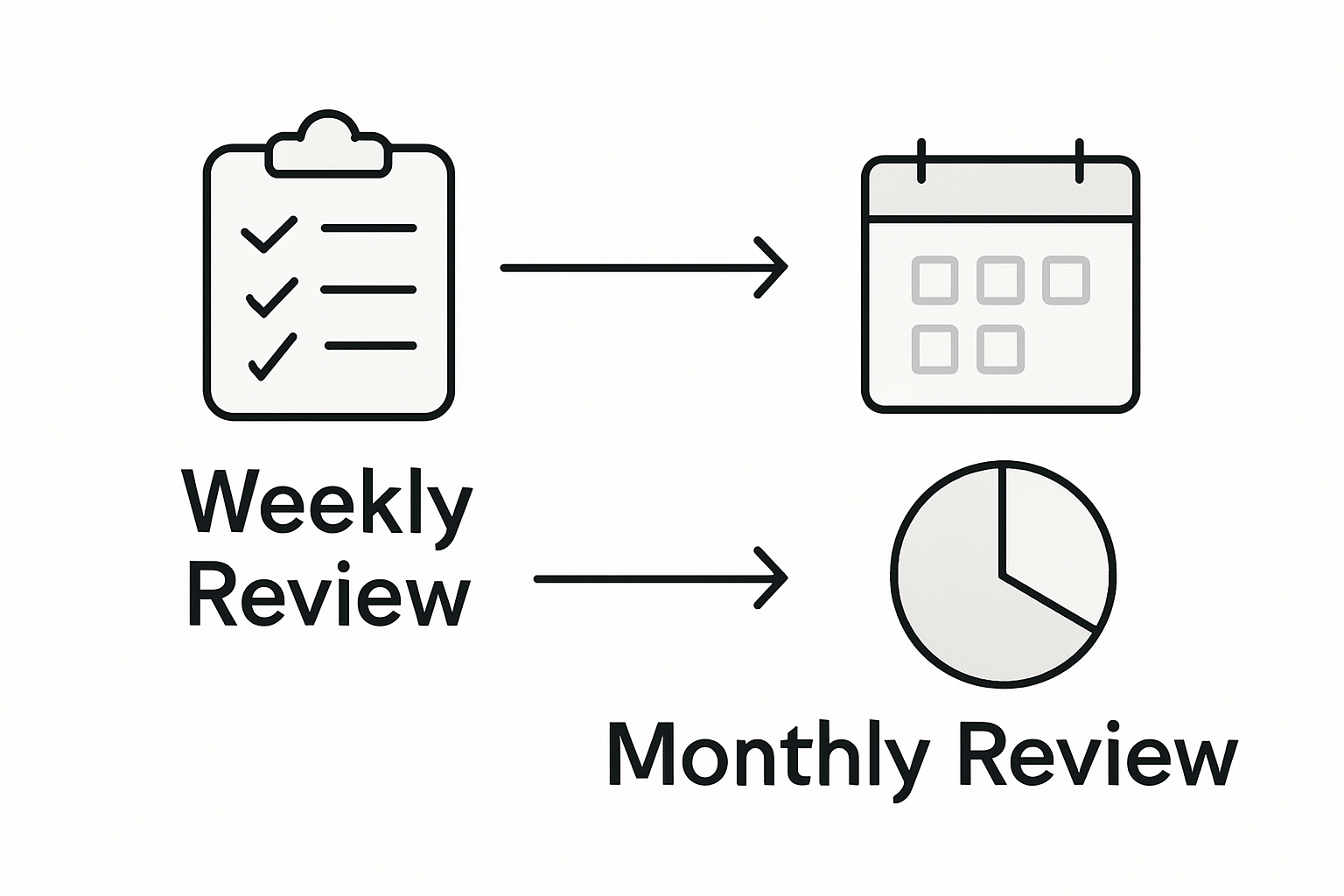
Project risk management methodologies demonstrate that consistent progress tracking is fundamental to successful project completion. Schedule weekly or biweekly review sessions where you systematically evaluate the status of each project in your portfolio. During these check ins, assess your actual progress against original timelines, identify potential bottlenecks, and determine whether your current strategies are producing the desired outcomes.
Utilize a quantitative approach to measure your performance. Analyze key metrics such as task completion rates, time invested versus expected timelines, and quality of deliverables. The Activity Risk Index suggests breaking down each project into discrete activities and evaluating their individual contributions to overall project success. This granular perspective allows you to pinpoint specific areas requiring adjustment and make informed decisions about resource allocation and strategy modifications.
Warning: Avoid analysis paralysis. While regular review is crucial, do not let review sessions become so extensive that they consume more time than the actual project work. Set clear time limits for your review process and focus on actionable insights. The goal is continuous improvement through strategic adjustments, not endless deliberation.
Master Your Multiple Projects with Expert Tools and Insights
Struggling to keep track of various projects while maintaining peak productivity is a common challenge highlighted in the article. From assessing commitments to prioritizing tasks using techniques like the Eisenhower Matrix and scheduling focused time blocks, the process can become overwhelming without the right support. The key pain points revolve around organization, prioritization, and maintaining flexibility while avoiding burnout.
Our CenturionTips offer expert guidance perfectly aligned with these goals. The Optio app acts as your second-in-command, helping you manage every task with a Roman-themed strategic approach tailored for students and young professionals. By creating project profiles and tracking progress in real time, Optio reduces the chaos of multiple commitments and empowers you to stay in control and productive.
Take command of your workflow today by discovering how Optio can transform project management for you. Visit Optio Station now to start organizing your projects smartly and efficiently. Explore practical advice and powerful tools that will make you the Centurion of your own productivity journey.
Frequently Asked Questions
How can I assess my current project commitments?
Start by making a comprehensive list of all active projects, including academic, work, personal, and volunteer commitments. Document key details such as project names, deadlines, and estimated time required, which will help visualize your workload and identify potential conflicts.
What is the Eisenhower Matrix and how can it help with task organization?
The Eisenhower Matrix is a tool that categorizes tasks into four quadrants based on urgency and importance. Use it to prioritize tasks by determining which should be done immediately, scheduled for later, delegated, or eliminated, allowing for a clearer focus on critical work.
How should I block time for focused work?
Identify your peak productivity hours and create time blocks of 60 to 90 minutes for focused tasks. During these blocks, eliminate distractions and assign specific projects to match your energy levels, ensuring you’re working on complex assignments when you are most alert.
What functions should I look for in a project management tool?
When selecting a project management tool, look for features that allow you to create project profiles, track progress, set deadlines, and prioritize tasks. A good tool should help streamline your workflow and keep all project details organized in one place.
How often should I review my project progress?
Schedule regular reviews, ideally weekly or biweekly, to evaluate the status of your projects. During these sessions, assess your progress against timelines and make necessary adjustments to your strategies to enhance productivity and efficiency.
What should I do if I discover I’m overcommitted?
If your project commitments exceed your capacity, consider negotiating deadlines, delegating tasks, or removing less critical projects from your schedule. Prioritize your well-being and focus on completing projects effectively without sacrificing quality.
Recommended
- How to Manage Multiple Tasks Easily for Better Results – Optio Station: Best Project Management App for Prioritization
- How to Organize Daily Tasks at Work for Maximum Productivity – Optio Station: Best Project Management App for Prioritization
- 7 Essential Organization Tips for Busy Professionals – Optio Station: Best Project Management App for Prioritization
- How to Keep Track of Multiple Tasks at Work Easily – Optio Station: Best Project Management App for Prioritization
- Master Time Management for Engineers – Boost Productivity Fast
- Yarn Project Organization Guide: Master Your Crafting Space – CRAFTISS
