

TL;DR:
- A client project manager’s role is to oversee the full lifecycle of client engagements, balancing delivery, relationships, and commercial goals. Effective communication, emotional intelligence, and structured processes across project phases are essential for success. Using the right tools and maintaining curiosity about the client’s business enable project managers to navigate scope, risks, and team coordination efficiently.
Most professionals assume a client project manager is simply a scheduler who runs status calls and tracks budgets. That assumption costs projects. The reality is that a skilled client project manager operates at the intersection of delivery excellence, relationship strategy, and commercial awareness. You are the translator between what your company can deliver and what the client actually needs. According to 2026 job market data, most client project managers oversee two to five active client engagements simultaneously, requiring the kind of multi-threaded focus that no calendar tool alone can support.
Table of Contents
- Key takeaways
- What a client project manager actually does
- Skills that separate good client project managers from great ones
- Best practices for client communication
- Project coordination tips for stronger team collaboration
- My honest take on what this role really demands
- Put the right tools behind your process
- FAQ
Key takeaways
| Point | Details |
|---|---|
| The role goes beyond scheduling | A client project manager balances delivery, relationships, commercial goals, and team coordination at the same time. |
| Five phases structure every project | Initiation, planning, execution, monitoring, and closure each carry distinct responsibilities that must be actively managed. |
| Communication cadence matters | Regular weekly, monthly, and quarterly touchpoints with documented history build the trust that protects projects during problems. |
| Soft skills are non-negotiable | Emotional intelligence and conflict resolution determine whether a client stays or churns, regardless of technical delivery. |
| The right tools multiply your output | Task and collaboration software reduces coordination friction and keeps all stakeholders aligned without endless meetings. |
What a client project manager actually does
The title sounds straightforward. The job is not. A client project manager is responsible for the full arc of a client engagement, and that arc has five structured phases: initiation, planning, execution, monitoring, and closure. Each phase demands a different skill set and a different relationship posture.
Here is what each phase actually requires in practice:
- Initiation. You define scope, identify key stakeholders, and lock in success criteria before any work begins. This is where most projects quietly fail. Vague briefs become expensive change requests three months later.
- Planning. You build the project plan, assign resources, set milestones, and establish a risk register. The plan is not a document you file and forget. It is a living reference that gets updated weekly.
- Execution. You coordinate internal teams, manage vendor relationships, and serve as the client’s primary point of contact. Speed of response and clarity of communication define your reputation here.
- Monitoring. You track schedule, budget, and quality against baseline targets. Good data-informed decision-making during this phase prevents surprises from becoming crises.
- Closure. You obtain formal sign-off, document lessons learned, and transition the client to ongoing support or the next engagement. How you close a project shapes whether a client renews.
Across all five phases, you are also managing the tension between client expectations and internal resource constraints. A client asking for a feature that falls outside the agreed scope is not a relationship problem. It is a governance problem, and your job is to handle it as one. Scope changes need pricing, approval, and documentation. Treating them as favors erodes profitability and sets a dangerous precedent.
Pro Tip: When a risk materializes, document it immediately with the impact, the resolution plan, and the timeline for resolution. Proactive issue documentation prevents clients from perceiving failure. They experience competence instead.
Skills that separate good client project managers from great ones
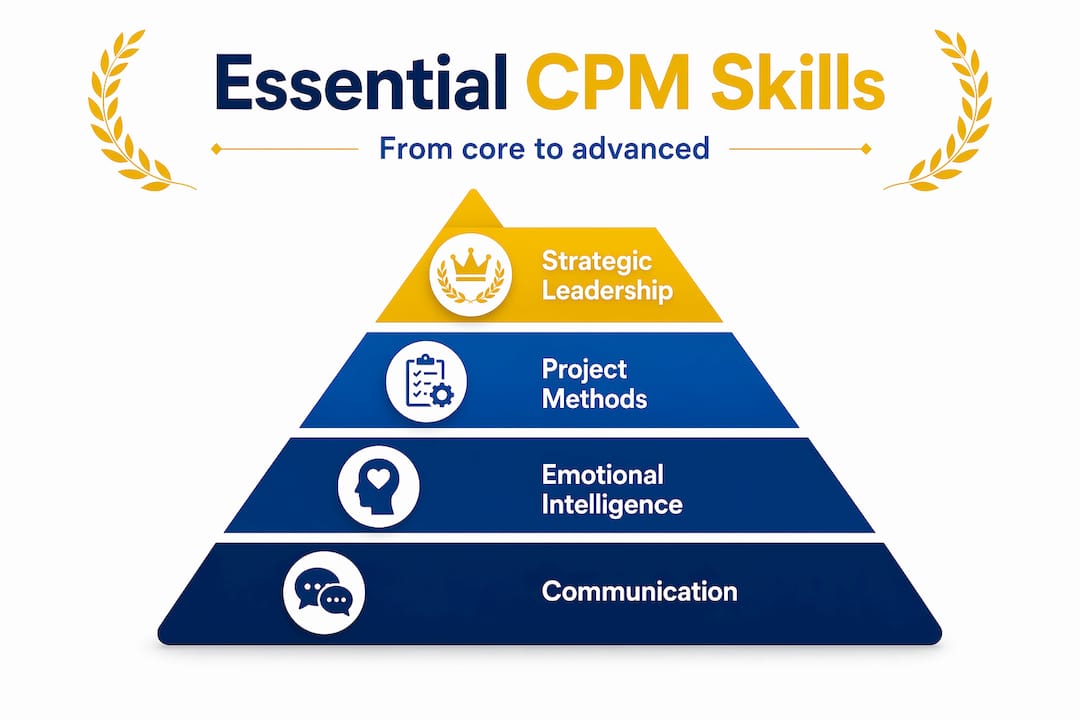
The project management specialist toolkit is split into two domains: technical competency and interpersonal intelligence. You genuinely need both. A technically brilliant manager who cannot read a room will lose clients. A charismatic relationship manager who cannot track a budget will lose the company money.
Here are the competencies that matter most:
- Methodology fluency. You do not need to be a certified Agile coach or a Waterfall purist. You need enough familiarity with both to recognize which approach fits the engagement and adapt mid-project if circumstances change.
- Emotional intelligence. Clients escalate when they feel unheard, not only when things go wrong. Reading frustration early and addressing it directly is a skill that takes deliberate practice.
- Communication and conflict resolution. The ability to deliver difficult news clearly, without creating panic, is one of the most undervalued competencies in client project management. Most professionals avoid hard conversations until they become crises.
- Commercial awareness. Balancing client interests with internal profitability goals is a daily reality. Understanding margin, contract terms, and change order thresholds makes you a better advocate for both sides.
- Leadership without authority. You rarely control the people delivering the work. You influence through clarity, consistency, and credibility.
The distinction between a project manager and a true project leader comes down to execution at scale. As Karen Doolittle notes, the difference lies in translating executive vision into scalable execution. Client-facing project work demands exactly that translation at every level of the organization.
Pro Tip: Before your next client kickoff, write down the three things most likely to go wrong. Bring that list to your internal planning meeting. Teams that anticipate problems solve them in hours instead of weeks.
Best practices for client communication
Communication is where most client project managers either build durable relationships or quietly damage them. The mechanics are straightforward. Effective client communication requires weekly, monthly, and quarterly cadences, each serving a different purpose, with documented interaction history supporting every touchpoint.
The table below breaks down how each cadence works in practice:
| Cadence | Primary purpose | Main benefit | Common challenge |
|---|---|---|---|
| Weekly check-in | Operational status and immediate blockers | Keeps momentum and surfaces issues early | Can become repetitive without clear agenda |
| Monthly review | Progress against milestones and budget | Provides strategic alignment and course correction | Requires preparation time from both parties |
| Quarterly business review | Relationship health and forward planning | Builds long-term trust and surfaces expansion opportunities | Difficult to schedule; often deprioritized |
Beyond the calendar, documentation is what makes communication actually stick. Every call should produce a brief summary with decisions made, actions assigned, and deadlines confirmed. Clients forget conversations. Written records protect everyone.
A few other practices that make a real difference:
- Manage expectations before issues occur. If a milestone is at risk, tell the client two weeks before the deadline, not the day before.
- Set up a shared communication plan early. A well-structured team communication plan removes ambiguity about who receives what information and when.
- Deliver difficult news with a solution attached. “We have a problem” lands differently than “We have a problem and here is our plan to resolve it.” The second version is the only acceptable format.
- Document organizational context. Personnel changes, shifting priorities, and budget cycles inside the client’s organization all affect your project. Keeping notes on this context makes you a smarter partner over time.
Project coordination tips for stronger team collaboration
The internal side of client project management gets far less attention than the client-facing side. That is a mistake. How well you coordinate your own team determines the quality of what the client receives, before any communication strategy even comes into play.
Strong team coordination in client projects comes down to a few disciplines:
- Align the team on client language, not just technical specs. Your developers, designers, or analysts speak in outputs. Your client speaks in outcomes. Translating technical progress into business value is your job, not theirs, but the team needs to understand why that translation matters.
- Run structured handoffs between phases. When execution transitions to monitoring, clearly document what was built, what was tested, and what outstanding items remain. Undocumented assumptions create rework.
- Use task tracking tools consistently. Shared visibility into who owns what and by when eliminates the “I thought you were handling that” conversations that erode both team morale and client confidence. Explore how collaboration tools can reduce that friction significantly.
- Handle escalations before they reach the client. When a team member flags a blocker, treat it as urgent regardless of where it falls on the priority list. Blockers compound faster than most managers expect.
- Celebrate internal milestones. Teams that feel recognized for progress stay engaged through difficult stretches. This matters especially on long engagements.
Pro Tip: When a client requests additional scope, do not say yes or no immediately. Say “let me scope that for you” and come back with an impact assessment. Client scope management protects both your team’s capacity and the project’s profitability.
My honest take on what this role really demands
I’ve seen professionals enter client project management expecting it to be about organization and process. They quickly discover it is about people, and that realization either accelerates their growth or breaks their confidence.
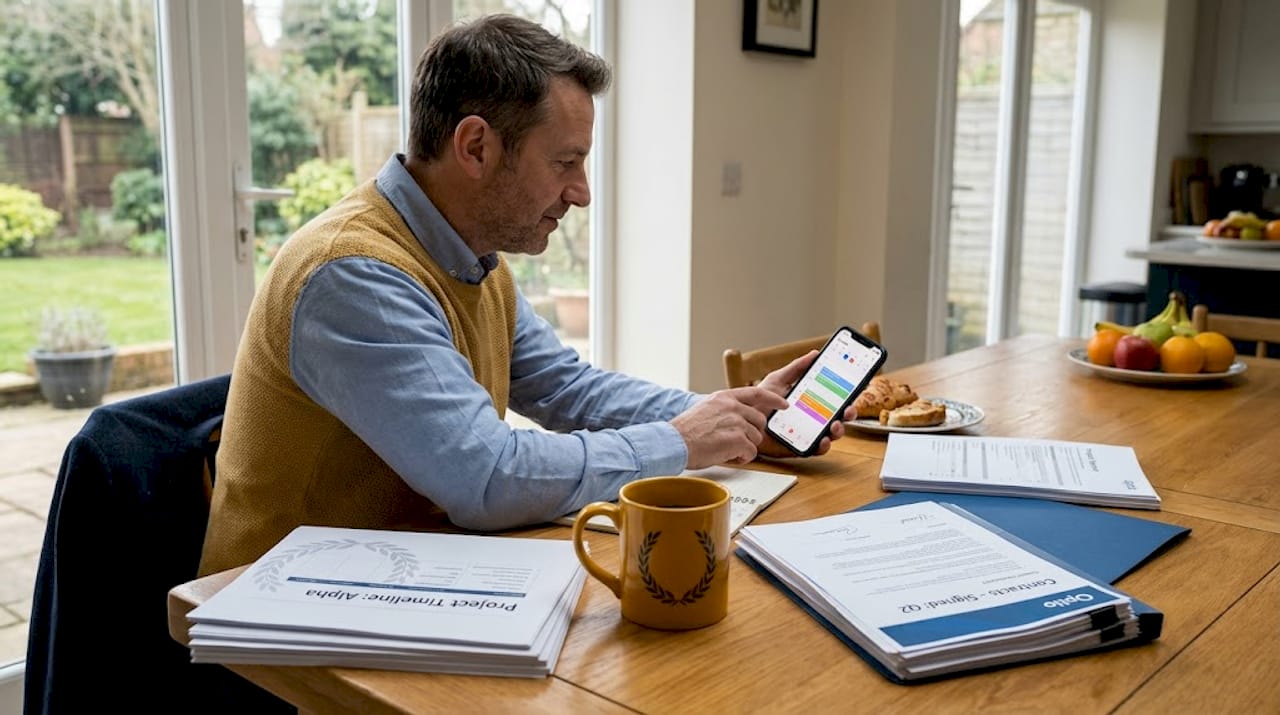
What I’ve learned from observing how this role evolves is that the modern CPM operates more like a commercial strategist than a traditional project overseer. The technical skills get you in the room. Emotional intelligence keeps you there. The professionals who struggle most are those who treat client relationship management as a soft skill sitting beneath real project work. It is not. It is the core of the work.
My take on what separates the best from the rest is simple. The best client project managers are genuinely curious about their client’s business. They read quarterly reports. They ask about internal politics. They understand where their project fits in the client’s bigger picture. That curiosity produces better decisions, better risk calls, and better conversations when something goes sideways.
The uncomfortable truth is that many client project managers spend too much time managing upward inside their own organizations and not enough time staying close to the client’s evolving needs. Increased global uncertainty demands clarity and speed from project leaders. The ones who thrive are those who combine data literacy with genuine human connection, not one or the other.
— Optiostation
Put the right tools behind your process
If you are managing multiple client projects and trying to keep internal teams and clients aligned, the tools you use determine how much mental load you carry.
Optiostation was built for exactly this kind of work. As your Optio, your second-in-command, it handles the task tracking, time management, and team coordination that eat up your bandwidth so you can focus on what actually requires your judgment. Whether you need a reliable system for task management across projects or a way to keep your team’s work visible without running three extra meetings per week, Optiostation gives you the structure to deliver consistently. Check out project manager task strategies to go even deeper on how to organize your delivery workflow.
FAQ
What does a client project manager do?
A client project manager oversees the full lifecycle of a client engagement, from initiation through closure, managing scope, schedule, budget, risk, and client communication simultaneously. The role combines delivery oversight with relationship management and commercial awareness.
How is a client project manager different from an account manager?
An account manager focuses primarily on relationship development and revenue growth, while a client project manager is responsible for the day-to-day delivery of a specific project. In practice, the roles overlap, but the CPM owns execution outcomes.
What skills does a client project manager need most?
The most critical skills are communication, emotional intelligence, methodology fluency, and commercial awareness. Technical delivery and stakeholder management must work together for a CPM to succeed long term.
How often should a client project manager communicate with clients?
Best practice calls for weekly operational check-ins, monthly milestone reviews, and quarterly business reviews, each with documented summaries. Frequency should increase during high-risk phases or when issues are active.
How do you manage scope creep as a client project manager?
When a client requests out-of-scope work, document the request, assess the impact on budget and timeline, and return with a formal change order. Never approve scope changes informally. Clear governance protects both the client relationship and the project’s profitability.
Recommended
- Design project manager: master the skills and tools – Optio Station: Best Project Management App for Prioritization
- Project Manager Agile: Complete Guide for Students & Pros – Optio Station: Best Project Management App for Prioritization
- Master project manager tasks to boost team success – Optio Station: Best Project Management App for Prioritization
- Project Management Officer: Roles, Skills, and Responsibilities – Optio Station: Best Project Management App for Prioritization
