
TL;DR:
- A design project manager serves as the operational core, transforming creative visions into coordinated actions across teams and timelines. They manage all project phases from initiation to delivery, ensuring budgets, schedules, and communication channels stay aligned despite shifting priorities and scope. Success in this role requires mastering systems thinking, cross-functional collaboration, and structured workflows to enable creative teams to work effectively within complex organizational frameworks.
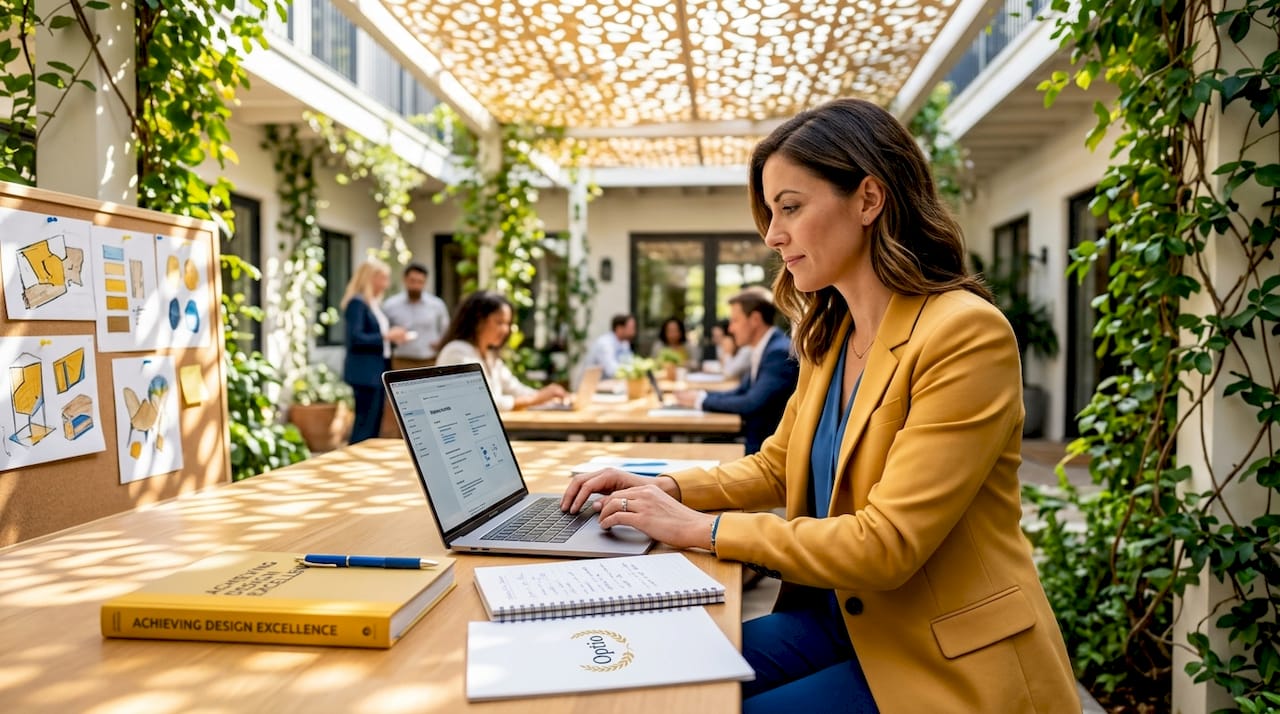
If you think a design project manager is just a creative lead with a calendar, you’re looking at the role wrong. A design project manager is the operational backbone behind every successful design outcome, the person translating vision into coordinated action across teams, timelines, and budgets. This role sits at the intersection of creativity and business discipline, and mastering it requires more than artistic sensibility. It demands organizational rigor, clear communication, and the ability to hold a project together when clients change their minds, deadlines shift, and creative teams need protection from scope overload.
Table of Contents
- What a design project manager really does
- Core skills and tools for design project managers
- Effective methodologies and workflows in design project management
- Practical tips to excel as a design project manager
- Advanced roles: from design project manager to program manager
- Why design project management is about building systems, not just managing tasks
- Tools and resources to boost your design project management skills
- Frequently asked questions
Key Takeaways
| Point | Details |
|---|---|
| Role clarity | Design project managers coordinate multiple teams and stages to deliver design projects on time and budget. |
| Essential skills | Strong communication, organization, and proficiency with design and project management tools are critical. |
| Methodologies | Waterfall suits linear projects; Kanban is ideal for flexible ongoing design work. |
| Systems focus | Effective design PMs build structured feedback cycles and shared execution plans, not just track tasks. |
| Career growth | Advanced program management roles require strategic thinking and cross-team coordination experience. |
What a design project manager really does
To grasp the role fully, you need to look beyond the job title. Design project managers plan, monitor, and execute projects focused on design objectives, which means they touch every phase of a project from the first concept sketch to final delivery. In some industries, that even extends through construction or product launch. The scope is wide, and that is exactly what makes this career path so valuable to learn early.
A design project manager is also the central coordinator in a web of relationships. Design PMs coordinate matrixed teams, both internal and external, through every stage from early design to construction. That phrase “matrixed teams” means people who report to different managers but must work together on your project. Think architects, engineers, vendors, contractors, and clients, all needing to stay aligned without constant friction.
Here is what that looks like day to day as a project manager for design:
- Managing the project lifecycle from kickoff through final sign-off and delivery
- Setting and tracking budgets to keep spending in line with client expectations
- Building and maintaining schedules that account for creative time, review cycles, and approvals
- Preparing and approving deliverables like design documents, specifications, and presentations
- Facilitating stakeholder communication so nothing falls through the cracks between teams
- Managing vendors and consultants who contribute specialized work to the project
Getting familiar with project management software for students early gives you a real advantage when you step into this kind of coordinating role.
Core skills and tools for design project managers
The skill set for a design project coordinator is broader than most people expect. Yes, you need to understand design, but you also need to think like an operations manager.
On the technical side, design PMs need proficiency in tools like Revit and Enscape, along with a solid understanding of construction documents. These are industry-standard tools in architecture and interior design environments, and knowing them signals credibility to your team and clients. Beyond design-specific software, you need fluency in task management software that keeps your team organized and accountable.
Here are the core competencies you should be building right now:
- Communication skills to translate client needs into clear creative direction
- Budgeting and scheduling to manage resources without micromanaging people
- Cross-functional collaboration to work with designers, engineers, finance teams, and leadership
- Familiarity with PM methodologies like Waterfall and Kanban (explained in the next section)
- Problem-solving under pressure when scope changes or a vendor misses a deadline
Understanding what project management software does at a conceptual level also helps you choose the right tools rather than defaulting to whatever someone else set up.
Pro Tip: Do not wait until your first job to learn PM tools. Use them now for group projects, internships, or freelance work. Employers notice candidates who already speak the language of project coordination.
Effective methodologies and workflows in design project management
Design project planning does not follow a single universal method. The approach you choose should match the nature of the work.
Waterfall vs. Kanban: a quick comparison
| Feature | Waterfall | Kanban |
|---|---|---|
| Structure | Sequential phases | Continuous flow |
| Best for | Well-defined, fixed-scope projects | Ongoing, flexible design work |
| Flexibility | Low | High |
| Progress tracking | Phase completion | Visual board columns |
| Risk of scope creep | Lower with tight scope | Higher without discipline |
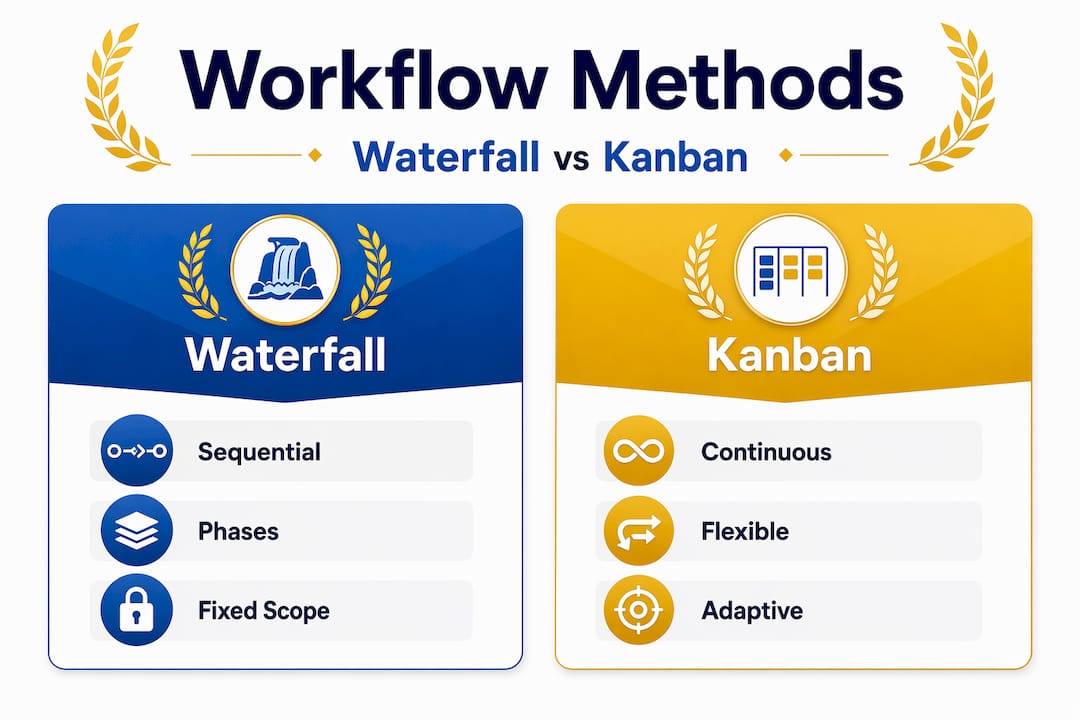
Waterfall suits linear design projects while Kanban fits ongoing work with flexible priorities. Neither is universally better. A new office interior with a fixed deadline benefits from Waterfall’s structure. A brand team producing weekly digital assets benefits from Kanban’s adaptability.
Here is a practical framework for structuring the design project lifecycle:
- Define scope and objectives before any creative work starts. A vague brief is the number one cause of scope creep.
- Build a timeline that includes buffer time for revision cycles, not just production.
- Establish communication protocols so stakeholders know exactly when and how to give feedback.
- Create a change management process that requires written approval before any scope additions begin.
- Run structured review cycles at fixed intervals to protect designer focus time between feedback sessions.
- Document decisions throughout the project so no one revisits settled debates in week eight.
Reviewing project tracker examples can help you visualize how these steps translate into real tools and dashboards.
Pro Tip: The most common mistake junior project managers make is treating revision rounds as informal. Build them into the schedule with deadlines and approval checkboxes. When revisions have structure, they stop eating the entire project timeline.
Practical tips to excel as a design project manager
Effective design team management is less about authority and more about building systems that make your team’s work easier. Here is what separates good design PMs from great ones:
- Build a shared execution plan that everyone on the team can access and update. This becomes the single source of truth that prevents “I didn’t know about that change” conversations.
- Write clear creative briefs that translate business goals into specific design direction. Vague briefs generate vague work, which generates expensive revisions.
- Protect creative focus time by batching feedback into scheduled sessions rather than allowing a constant stream of interruptions.
- Use collaboration tools that give every stakeholder visibility into status without requiring daily check-in meetings.
- Track budget and scope weekly, not just at project milestones. Small overruns caught early are easy to address. The same overruns ignored until month three become crises.
Design PMs must build operating systems around creativity, focusing on alignment, actionable briefs, and feedback loops rather than simply checking off tasks. That reframe matters. You are not a task tracker. You are the person keeping the entire creative machine running.
Investing in a solid team collaboration guide helps you understand how to structure communication in ways that actually stick. Pair that with reliable time management apps and you have the foundation for a productive workflow. When you look at design execution PM insights from large real estate and design firms, the pattern is consistent: the best PMs are the ones who build structure everyone wants to follow.

Advanced roles: from design project manager to program manager
Once you have a few years of project management in design under your belt, the natural progression leads toward program management. These are different jobs with different scopes.
A program manager does not run individual projects. They build the systems and frameworks that enable many projects to run well simultaneously. Design program managers act as a strategic nerve center, coordinating multi-team reviews and fostering collaboration at scale across an entire organization.
The skills that define this level include:
- Operational thinking to build resource models and best practices others follow
- Enterprise stakeholder management across departments, product teams, and leadership
- Agile and scrum fluency as more design organizations adopt these development-adjacent frameworks
- Systems design meaning you build the processes, not just execute within them
- Seven or more years of relevant experience is typically the entry point for senior design program roles
“The real deliverable of a senior design program manager is not a finished project. It is the framework that allows dozens of projects to succeed at once.” This distinction is what separates tactical project execution from strategic program leadership.
Exploring advanced project management software options early gives you hands-on exposure to the kinds of tools these senior roles require.
Why design project management is about building systems, not just managing tasks
Here is the perspective most career guides skip: the trap that derails young design project managers is thinking their job is to track what other people are doing. It is not. Your real job is to build an environment where good work happens predictably.
Design PMs focus on aligning stakeholders, translating needs, and protecting clarity through structured feedback rather than merely watching a task list. That is a fundamentally different mindset. When you show up to a project thinking “I need to make sure everyone does their tasks,” you become a micromanager. When you show up thinking “I need to build the system that makes everyone’s tasks obvious and achievable,” you become indispensable.
The second shift worth internalizing: successful design PMs treat their real deliverable as the shared execution plan that coordinates matrixed teams and vendors. The project outputs, meaning the designs and deliverables, are the team’s work. Your output is the infrastructure around that work.
This matters even more in creative environments because designers and creative professionals often resist rigid process. The answer is not less structure. It is structure designed with enough empathy for creative work that your team actually uses it. A project management plan built with creative rhythms in mind will always outperform a generic corporate process dropped on a design team.
The competitive edge for any young professional entering this field is learning to think in systems now, before your first PM role. Not just organizing your tasks, but asking: what is the repeatable process here, and how do I make it easy for everyone involved?
Tools and resources to boost your design project management skills
Starting your career with the right tools in your corner changes how quickly you develop real PM instincts. Optio was built for exactly this moment: the stage where you are building your skills, managing team projects, and learning how to lead without a formal title yet.
As your second-in-command, Optio helps you prioritize tasks, track deadlines, and keep your team aligned the way a real design project manager would. Use the time management apps list to find tools that fit your current workflow, explore how collaboration tools boost team communication, and get a clear picture of your options with the task management software guide. Every Centurion builds their command structure early.
Frequently asked questions
What qualifications do I need to become a design project manager?
A bachelor’s degree with five to eight years of relevant experience is the standard baseline, and certifications like PMP or LEED AP strengthen your profile significantly in architecture and construction-adjacent design roles.
What software skills are important for design project managers?
Strong knowledge of Revit, Enscape, and construction document management is essential in many design sectors, alongside general project and task management platforms.
How does a design project manager differ from a design program manager?
A design project manager executes specific projects, while a design program manager coordinates multiple teams and builds strategic frameworks that allow entire organizations to deliver design work at scale.
What methodologies are commonly used in design project management?
Waterfall works for linear projects with fixed scope, while Kanban suits ongoing design work where priorities shift frequently and a continuous flow model serves the team better.
How can I improve team collaboration as a design project manager?
Build structured feedback cycles into your schedule, use shared execution plans that give everyone visibility, and invest in collaboration tools that reduce the need for constant status meetings while keeping accountability clear.
Recommended
- Head of Project Management: Skills to Succeed in 2026 – Optio Station: Best Project Management App for Prioritization
- Master project manager tasks to boost team success – Optio Station: Best Project Management App for Prioritization
- Essential Manager Skills List: Boost Your Team and Career – Optio Station: Best Project Management App for Prioritization
- Project management portfolio template guide 2026 – Optio Station: Best Project Management App for Prioritization
